If you are reading this, you have survived. The roses have wilted slightly, the Instagram feeds have finally calmed down from the “soft launch” saturation of yesterday, and most importantly the heart-shaped boxes of truffles are officially 50% off at your local pharmacy. Welcome to February 15, the unofficial “true” holiday for the savvy shopper and the single soul alike.
Yesterday, Valentines Day 2026, wasn’t just another Saturday night date; it was a cultural phenomenon that defied economic logic, technological boundaries, and modern dating norms. As we sip our Sunday morning coffee and scroll through the debris of red and pink confetti, the data is pouring in, and it paints a fascinating picture of love in the mid-2020s.
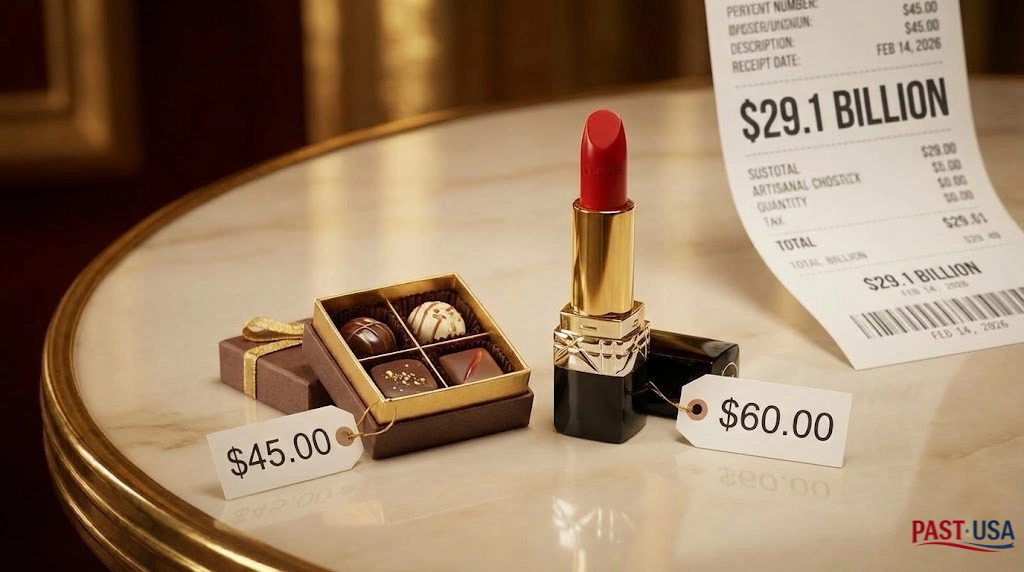
While analysts predicted a spending slowdown due to the skyrocketing cost of cocoa and cut flowers, the American consumer did what they do best: they spent anyway. Preliminary reports suggest that Valentines Day spending hit an all-time high of nearly $29.1 billion this year, shattering the records set in 2024 and 2025. But it wasn’t just how much we spent that changed; it was how we spent it, who we spent it on, and in a twist straight out of science fiction who actually did the buying.
In this comprehensive deep dive, we are unpacking the trends that defined Valentines Day 2026, from the rise of “Agentic Commerce” (where AI bots bought your gifts) to the death of the “situationship” and the sudden, inexplicable popularity of “Gummy Aesthetic” jewelry. If you are searching Google for “Valentines Day” right now, you are likely looking for a recap of the madness or a guide to the post-holiday sales. You have come to the right place.
The “Agentic” Shift: Did a Bot Buy Your Roses?
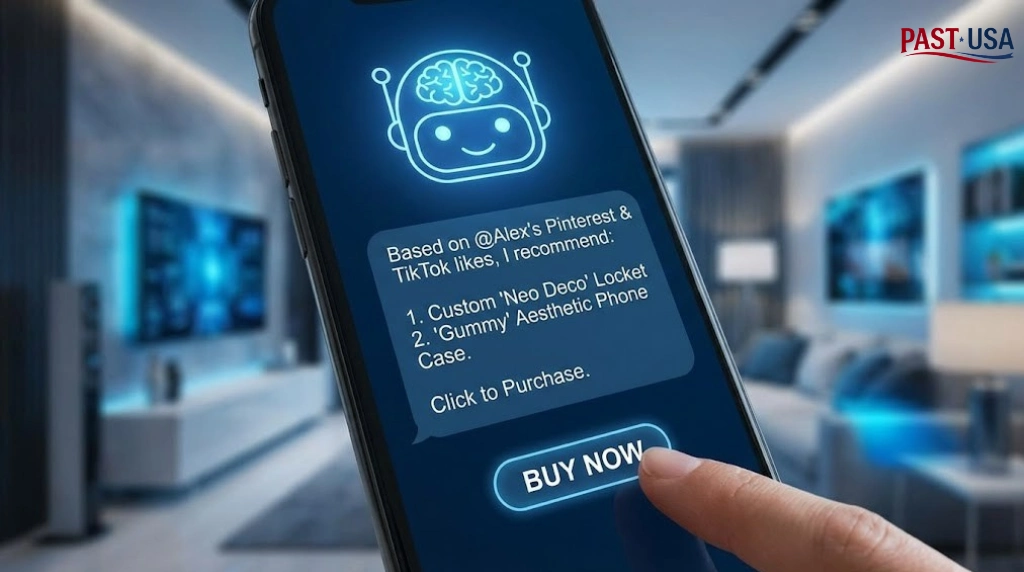
Perhaps the most defining trend of Valentines Day 2026 was the silent intrusion of Artificial Intelligence into our most intimate moments. We aren’t just talking about ChatGPT writing a cheesy poem anymore; we are talking about “Agentic Commerce.”
Data released just days before the holiday by fintech giants revealed a startling shift: nearly 28% of consumers particularly those in the tech-savvy Gen Z and Millennial cohorts were open to using an AI agent to search, select, and purchase their Valentines Day gifts.
Think about the implications. For decades, the stress of Valentines Day was rooted in the “hunt.” You had to guess what your partner wanted, scour the mall, and pray the florist wasn’t sold out of peonies. In 2026, that friction vanished for millions. Smart shopping bots, armed with access to a partner’s Pinterest board, Amazon wish list, and even their TikTok “likes,” executed the perfect purchase with zero human anxiety.
Is it romantic? That is up for debate. There is a certain cold efficiency to an algorithm selecting the “perfect” gold locket based on data points rather than intuition. But for the busy professional or the forgetful partner, these AI agents were the heroes of Valentines Day. They ensured that flowers arrived on time (despite the logistics crunch) and that the chocolates were fair-trade and hazelnut-free, just as requested.
However, this technological convenience sparked a backlash. A counter-movement of “Analogue Love” trended on social media yesterday, with users proudly showing off handwritten letters (ink on paper!) and DIY gifts that no bot could replicate. The “handmade” sector saw a surge, proving that in an age of automation, the human touch is the ultimate luxury.
The Economic Paradox: Why We Spent $29 Billion on Valentines Day
If you walked into a grocery store this week, you noticed it: chocolate is expensive. Like, really expensive. Global cocoa shortages and supply chain tariffs drove the price of chocolate up nearly 70% since 2021. And yet, the sales volume for Valentines Day candy didn’t plummet.
This phenomenon is known in economics as the “Lipstick Effect” the idea that during times of inflation or economic stress, consumers will still splurge on small, affordable luxuries. A $200 dinner might be out of the budget, but a $15 box of premium truffles (even if it used to cost $9) feels justifiable.
But Valentines Day 2026 saw spending expand beyond just “small” luxuries. The National Retail Federation reported record outlays on jewelry and evening outings. Why? Because Valentines Day fell on a Saturday.
The “Saturday Factor” cannot be overstated. When the holiday falls on a weekday, it’s often celebrated with a quick dinner or a movie on the couch. A Saturday Valentines Day is an event. It’s a full weekend affair. Restaurants reported peak reservations not just for Saturday night, but for “Galentine’s” brunches on Saturday morning and “Belated” lunches today, Sunday. The calendar gave consumers permission to turn a single day into a 48-hour spending spree.
The Death of the “Situationship”
For the past five years, the dating landscape was plagued by the “situationship” that gray area of “we’re hanging out, but we aren’t labeling it.” In 2026, the vibe shifted.
Relationship experts and social psychologists have noted a massive move toward “Status-Flexing” or “Clarity Culture.” Gen Z, now firmly in their mid-to-late 20s, is tired of ambiguity. This Valentines Day was characterized by the “Hard Launch.”
If you scrolled Instagram yesterday, you likely saw fewer vague “dinner plate” stories (where you can’t see the date’s face) and more full-on couple portraits. The trend of 2026 is transparency. People used Valentines Day as a deadline: either we define the relationship (DTR) by February 14, or we are done.
This shift is driven by “dating fatigue.” The endless scroll of apps has lost its novelty. People want intentionality. The “situationship” is out; “intentional dating” is in. This made Valentines Day 2026 a high-stakes holiday. It wasn’t just about celebration; it was about confirmation. If you didn’t get a text yesterday, the message was louder than ever: move on.
The Aesthetic of 2026: Gummy, Circus, and Neo Deco
Visually, Valentines Day 2026 looked very different from the minimalist “Sad Beige” trends of the early 2020s. We have entered an era of maximalism, but with specific, distinct flavors.
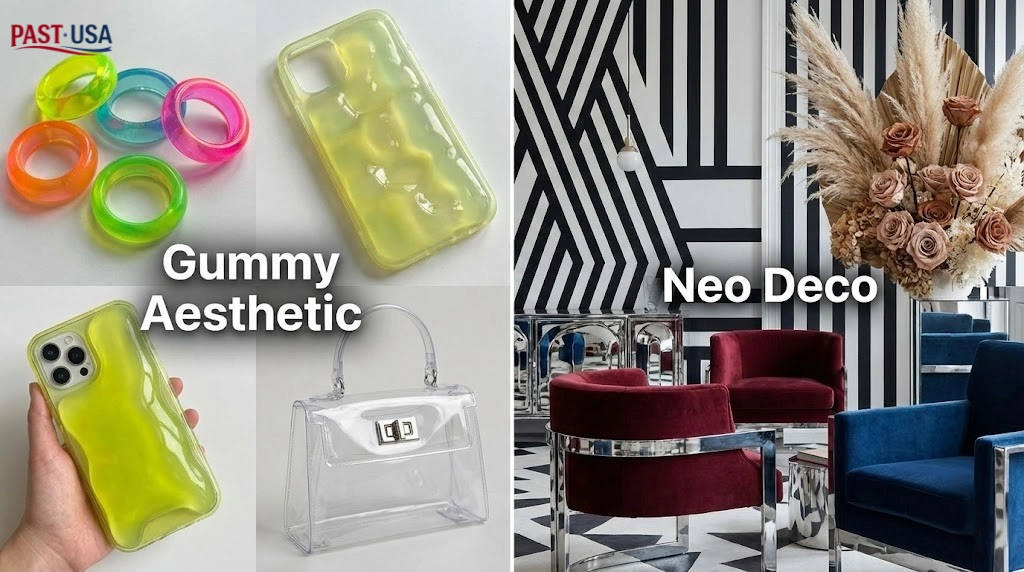
The “Gummy” Aesthetic:
If you saw jewelry that looked like edible candy, phone cases that felt squishy, or translucent “jelly” heart decor, you witnessed the “Gummy” trend. This tactile, playful style took over the gift market for Gen Z. It’s nostalgic (think 90s jelly sandals) but elevated. Glass rings that look like fruit snacks were the breakout accessory of the holiday.
The “Circus” & “Neo Deco” Vibe:
Interior design trends bled into Valentines Day date spots. “Neo Deco” a modern, chrome-heavy revival of Art Deco was the look of choice for high-end restaurants. Meanwhile, the “Circus” aesthetic (stripes, bold reds, theatrical draping) influenced home decor and party themes. A lot of “Galentine’s” parties this year weren’t just pink; they were bold, red-and-white striped extravaganzas.
Sustainable Florals:
The red rose is classic, but 2026 saw the dominance of “Aesthetic Florals” specifically, preserved and dried arrangements. The “forever rose” in a glass dome is no longer a niche novelty; it’s a standard. Sustainability concerns have made consumers wary of buying cut flowers that die in three days. The bouquet of 2026 is dried pampas grass, cotton stems, and chemically preserved roses that promise to last until Valentines Day 2027.
The Expanding Circle: Pets, Pals, and Co-Workers
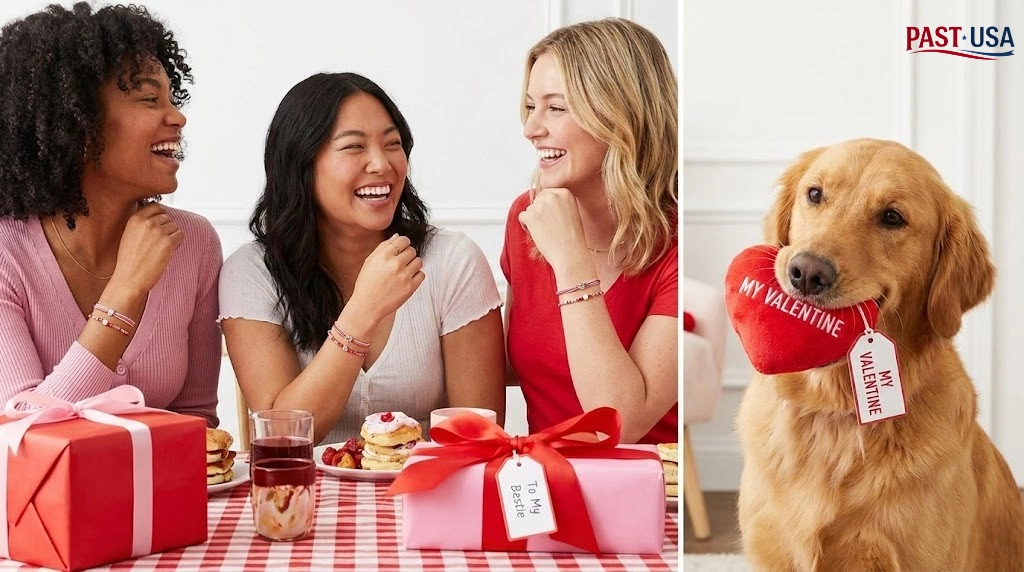
We have officially moved past the idea that Valentines Day is solely for romantic partners. The data shows that 2026 was the year of the “Platonic Valentine.”
Spending on friends, co-workers, and most notably pets reached record highs. Nearly 32% of consumers bought a gift for their pet this year. The “fur-baby” economy is recession-proof. While a consumer might skip buying a new watch for themselves, they will absolutely buy a heart-shaped chew toy for their golden retriever.
“Galentine’s Day” (Feb 13) has also morphed from a niche pop-culture reference into a retail juggernaut. It’s no longer just a brunch; it’s a gifting occasion on par with the main event. Retailers capitalized on this by merchandising “Bestie Bundles” matching skincare sets, friendship bracelets (a trend that hasn’t died since the Eras Tour), and experience vouchers designed for two friends rather than a couple.
The Sunday Guide: Navigating the Day After
So, here we are. It is Sunday, February 15. The pressure is off. But the opportunity is just beginning. If you played Valentines Day correctly, you might be enjoying a lazy morning. If you didn’t or if you are single today is arguably better than yesterday.
The “Discount Candy” Strategy:
This is the Super Bowl for chocolate lovers. The inflation that made Godiva and Lindt painful to purchase yesterday is irrelevant today. Head to the drugstores immediately. The 50% to 75% off clearance sales are the true reason for the season.
Pro tip: Look for the high-end dark chocolate; it sells out slower than the kid-centric sugar candy.
The Belated Celh” Analysis:
If you are single and active on social media, today is for sleuthing. The “Soft Launch” (posting a photo of a partner without tagging them or showing their full face) peaked yesterday. Today is the day group chats dissect these posts. Who is that hand holding the wine glass? Is that a new watch? The digital forensics of Valentines Day weekend is a sport in itself.
Historical Context: How We Got Here
It is wild to think about how Valentines Day has evolved. In the mid-2010s, it was about giant teddy bears and Pandora charms. In 2020, during the height of the pandemic, it was about Zoom dates andDoorDash dinners.
Now, in 2026, it is a hybrid of high-tech convenience and deep yearning for “realness.” We use AI to buy gifts, but we crave handwritten notes. We spend billions, but we complain about the commercialization.
The core of Valentines Day remains unchanged it is a day to acknowledge connection. But the definition of connection has broadened. It is no longer just about the “One”; it is about the “Many.” It is about your dog, your best friend, your “situationship” that you finally upgraded to a relationship, and yes, even yourself.
Looking Ahead: 2027 and Beyond
As we pack away the heart-shaped decor, what can we expect for next year?
Valentines Day 2027 will fall on a Sunday. This changes the dynamic entirely. The “weekend getaway” will likely be the dominant trend, with couples taking Friday and Saturday to travel. We can also expect the “Agentic Commerce” trend to mature; next year, your AI might not just buy the gift, it might plan the entire itinerary, book the flights, and write the vows.
We are also likely to see a continued push toward “experience” gifts over physical ones. As material goods continue to get more expensive due to inflation and tariffs, the value of a shared memory a cooking class, a concert, a digital detox weekend will skyrocket.
Conclusion
Valentines Day 2026 will go down in the books as the year we broke the bank to prove we still believe in love. It was the year of the $29 billion spend, the year the robots helped us romance, and the year we finally decided that knowing where we stand (Status-Flexing) is sexier than wondering where we stand (Situationships).
Whether you spent the weekend in a “Neo Deco” lounge, hosting a “Gummy” aesthetic party, or just waiting for this morning’s candy sales, you participated in a massive, shifting cultural ritual.
So, grab that half-priced box of chocolates. You earned it. Happy (Belated) Valentines Day.
FAQs
Q: Why was Valentines Day 2026 so expensive?
A combination of inflation, supply chain tariffs, and a global cocoa shortage drove prices up. Chocolate alone was 70% more expensive than in 2021.
Q: What was the biggest trend for Valentines Day 2026?
“Agentic Commerce”using AI tools to find and buy gifts was the breakout tech trend. Culturally, the shift away from “situationships” to clear commitment (“Status-Flexing”) defined the dating scene.
Q: Is Valentines Day just for couples now?
Absolutely not. 2026 saw record spending on pets, friends (“Galentine’s”), and co-workers. It has become a celebration of all forms of love.
Q: What is the “Gummy” aesthetic mentioned in trends?
It is a Gen Z design trend featuring translucent, candy-like colors and textures (think jelly rings, squishy phone cases) that was huge for gifting this year.
Q: When is the best time to buy Valentines Day candy?
Right now. February 15. Most retailers discount seasonal candy by 50% or more the day after the holiday.
Read about Pam Bondi’s involvment in Epstein Files.