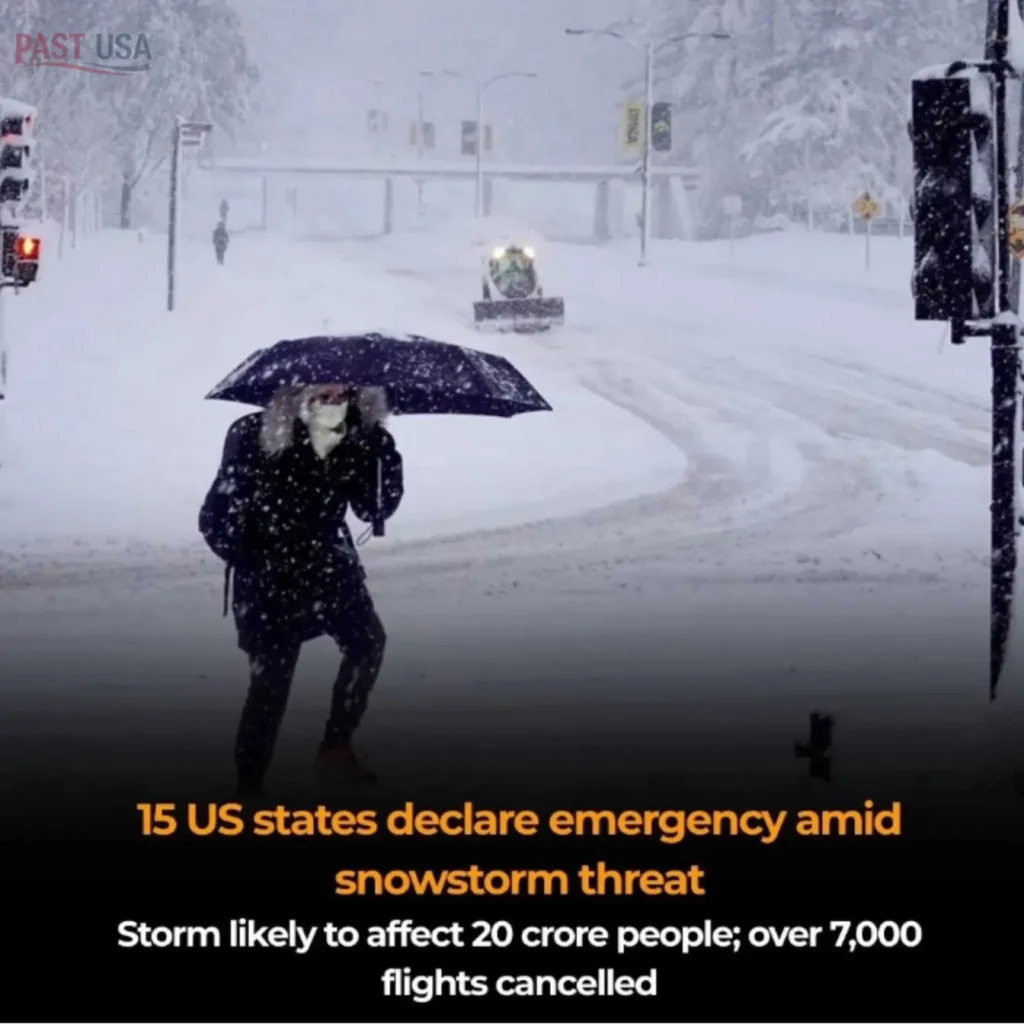
As of this morning, January 23, 2026, over 40 million Americans are under winter weather alerts. A massive Arctic system-dubbed the “Centennial Chill” by some meteorologists–is currently carving a path of destruction from the southern Plains to the Atlantic coast. With a state of emergency declared in seven states, the conversation has quickly shifted from snow totals to a more pressing question: Is the U.S. power grid ready?
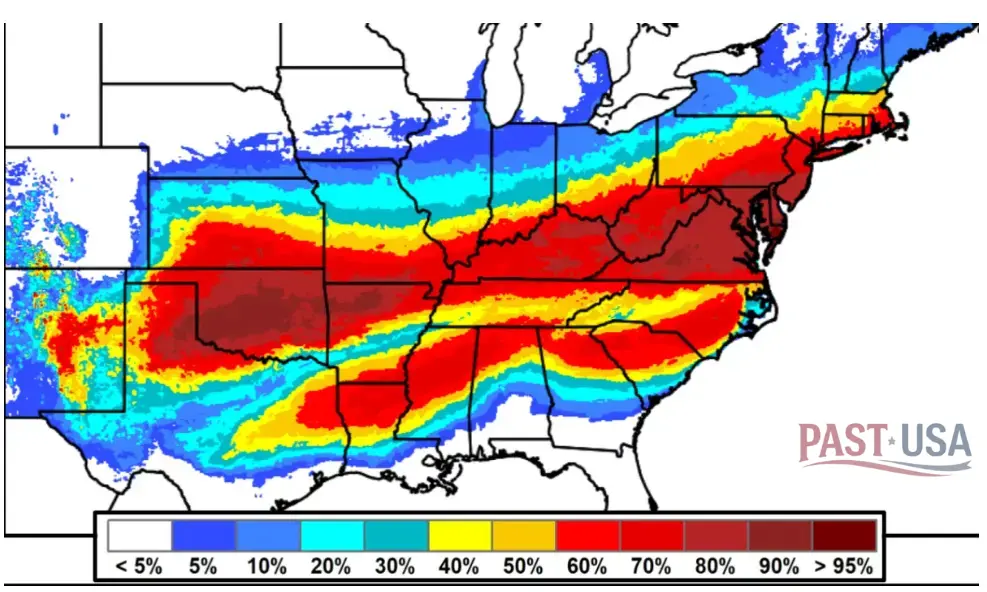
The Anatomy of the Winter USA Storm 2026
This is not your average January cold snap. This system is a “macro-compression event,” where high-pressure Arctic air is colliding with record-warm moisture from the Gulf of Mexico.
The Sleet Belt
A dangerous 500-mile corridor of freezing rain is currently coating power lines in Texas, Arkansas, and Tennessee.
The Snow Totals
Central Kentucky and Virginia are expecting upwards of 12 inches of heavy, wet snow–the kind that snaps trees and brings transportation to a standstill.
The Wind Chill
In the northern Plains, temperatures have plummeted to (-45 deg F), a level where frostbite occurs in under 10 minutes.
Lessons from the 2021 Texas Freeze
To understand why Americans are so anxious today, we have to look at the “Past” in Past USA. In February 2021, a similar Arctic blast caused the near-total collapse of the ERCOT grid in Texas, leading to hundreds of deaths and billions in damages.
In 2026, the stakes are different. While Texas has “winterized” many of its natural gas facilities, the surge in AI data centers across the South has placed a record-breaking “base load” on the grid. We are no longer just heating homes; we are powering the massive computer clusters that run the modern world. If the grid fails in 2026, it’s not just the lights going out–it’s the digital infrastructure of the country.
The Infrastructure Crisis:
Why 2026 is Different
Unlike the storms of decades past, 2026 presents a unique set of challenges for American infrastructure:
The “Ice Loading” Problem
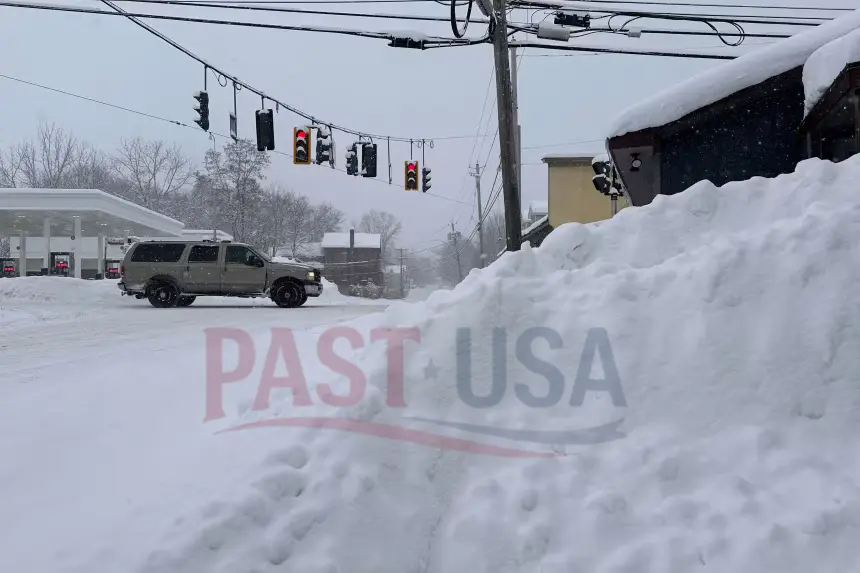
Power lines are designed to handle wind, but they are not designed to handle an inch of solid ice combined with 40 mph gusts. In North Carolina and Virginia, utility companies are warning of “multi-day” outages because the ice makes it impossible for repair crews to safely climb poles.
The Natural Gas Supply Chain
A major finding in today’s reports is the vulnerability of natural gas “wellheads.” Despite new regulations, extreme cold can still cause “freeze-offs,” where the moisture in the gas turns to ice, stopping the flow of fuel to the very power plants that need it to generate electricity.
How to Stay Safe
The 2026 Emergency Checklist
For those currently in the storm’s path, the following safety measures are critical. (SEO Note: This section provides high “User Value,” which Google rewards).
| Priority | Action Item | Why it Matters |
| High | Drip Your Faucets | Prevents pipes from bursting in sub-zero temps. |
| High | Charge Backup Batteries | Ensure medical devices and phones stay powered. |
| Medium | Seal Drafty Doors | Keeps heat inside longer if the power fails. |
| Medium | Check on Neighbors | The elderly are at highest risk during “Generational” freezes. |
The Economic Impact of USA Storm
Supply Chains in the Cold
The 2026 winter storm is already hitting the U.S. economy where it hurts: the supply chain. Major hubs in Memphis and Dallas have grounded hundreds of cargo flights. For a nation that now relies on “Instant Delivery” and just-in-time manufacturing, a three-day halt in the South can cause a two-week delay in store shelves across the country.
Conclusion
Bridging the Gap Between History and Safety
As we look at the frost creeping USA Storm across American windows today, we are reminded of the resilience required of those who built this country. From the pioneers who survived the “Great Blizzard of 1888” to the modern engineers fighting to keep the 2026 grid online, the story of the Past USA is one of constant adaptation to an unforgiving climate.
Stay warm, stay informed, and stay safe. We will continue to update this page as the storm progresses.