
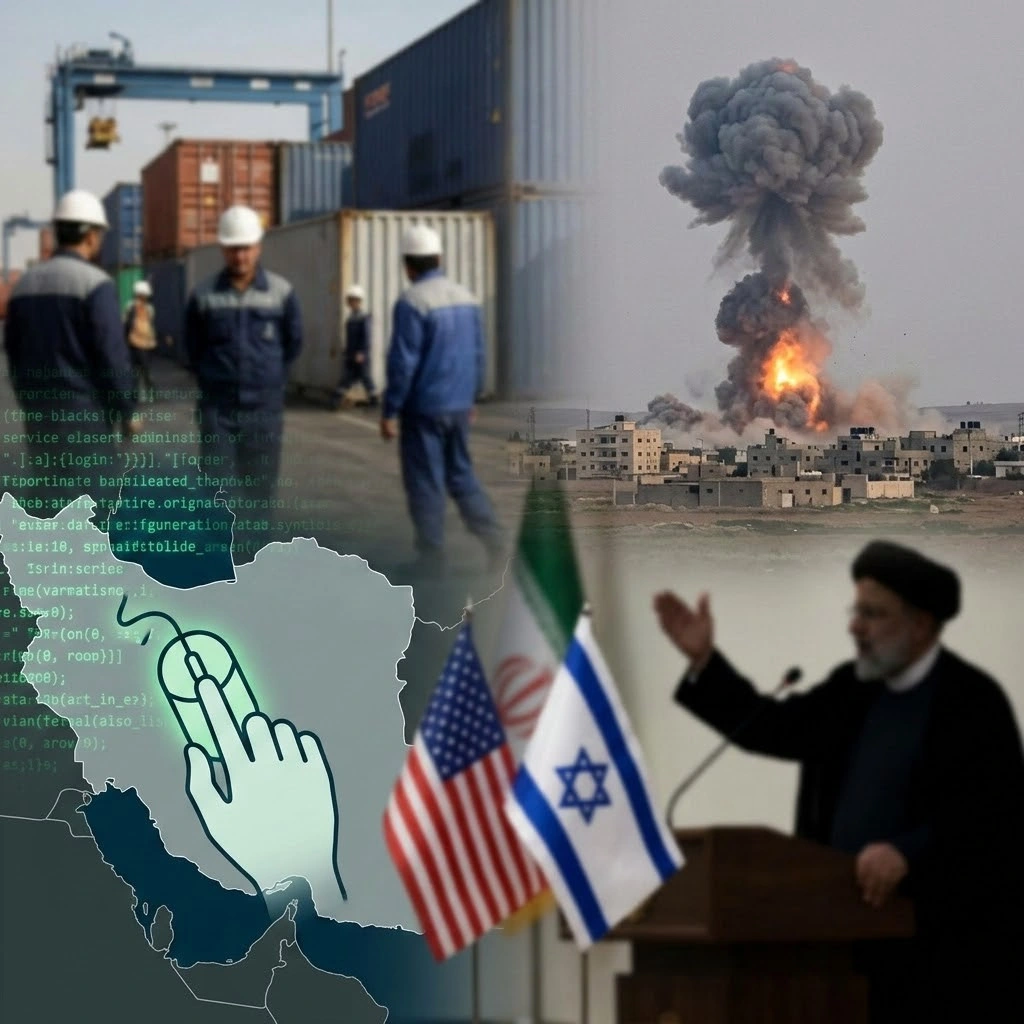
The accusations follow a rapid sequence of events, including precise airstrikes in Syria and a massive cyberattack on Iranian infrastructure, which Tehran claims are synchronized operations between Washington and Jerusalem. This narrative is now central to Middle East geopolitics, and observers in the United States and globally are scrambling to understand the implications of this explosive diplomatic maneuvering.
People are deeply concerned by the potential for a direct confrontation between the U.S. and Iran, potentially dragging the region into a wider conflict. This article provides a comprehensive analysis of this developing crisis, breaking down the military, diplomatic, and ideological motivations behind Tehran’s accusations. We will explore why this specific rhetoric is being employed in 2026, the Washington-Jerusalem response, and the dangerous regional implications of this high-stakes showdown.
The Catalyst: Tehran Decries “Coordinated Agression”
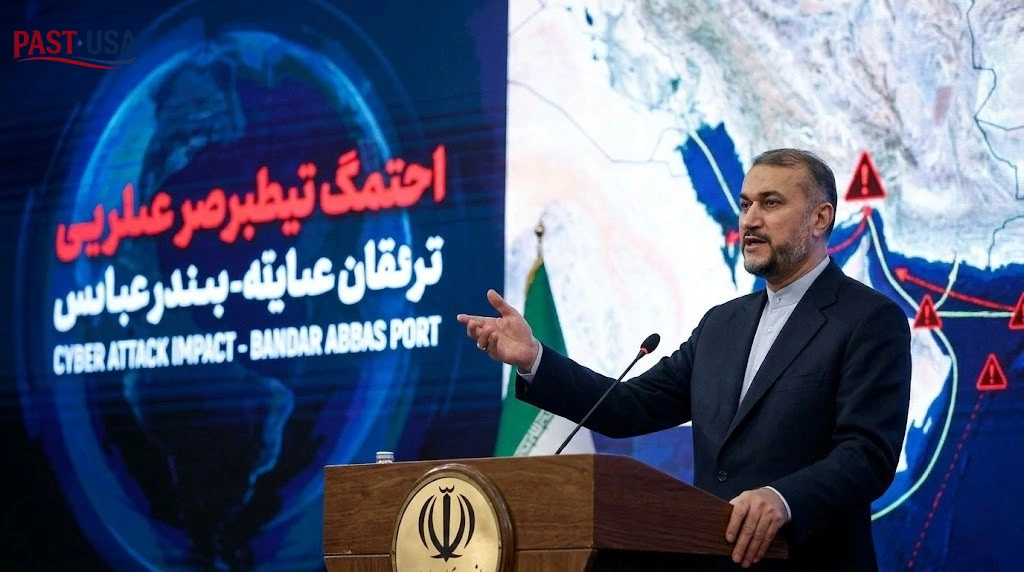
Tehran’s renewed slamming of Washington stems from events that began on February 26, 2026. A powerful cyberattack, loosely attributed by technical observers to state-sponsored actors, paralyzed portions of Iran’s maritime logistical network, causing significant economic disruption in key ports. Simultaneously, several airstrikes, which Israel neither confirmed nor denied conducting, struck weapons depots in eastern Syria. The strategic locations were reportedly utilized by IRGC-backed militias, a frequent target of localized friction in the Syrian theater.
The response from Tehran was immediate and coordinated. Iranian Foreign Minister Hossein Amir-Abdollahian convened a televised address where he merged these kinetic and digital events into a single geopolitical narrative. He argued that these actions are dynamically for Israeli interests rather than genuine U.S. security concerns. Iran’s core argument is that Washington is functionally “outsourcing” its Middle East military operations to Jerusalem. This rhetoric is now central to the current geopolitical reality, explaining why so many observers are searching for “Iran .” Tehran is actively working to consolidate regional opinion against the U.S.-Israeli alliance.
Historical Context: The Axis of Resistance and Decades of Criticism
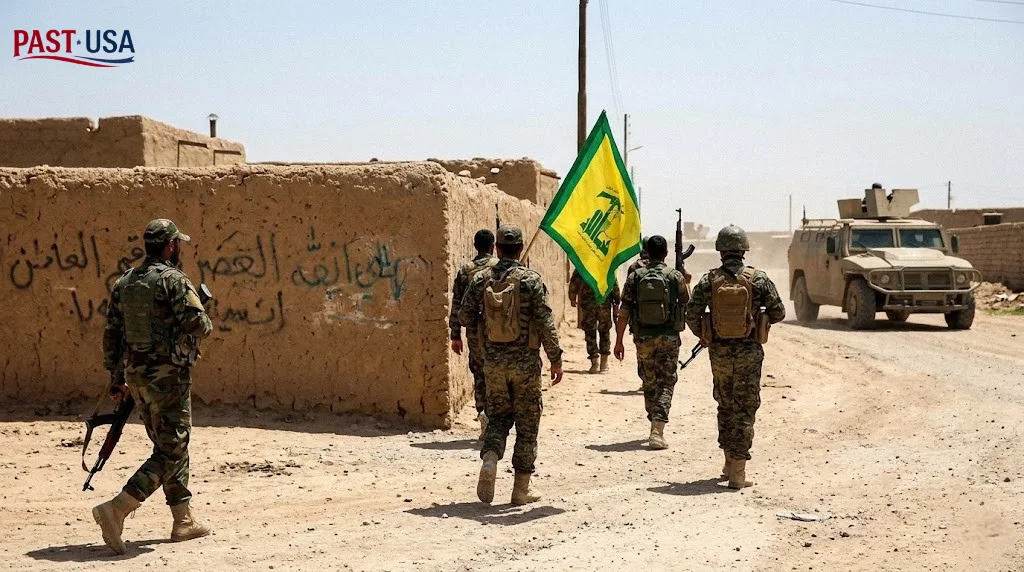
The assertion that the U.S. “fights for Israel” has been a foundational pillar of Tehran’s post-1979 revolutionary ideology. Since the Islamic Revolution, Iran has consistently framed the United States and Israel as intertwined threats the “Great Satan” and the “Zionist Entity” colluding to undermine the Islamic world. This message, however, is distinct in its specific 2026 context, which is essential to understanding why it is currently trending.
The current geopolitical friction occurs in an environment where direct nuclear negotiations (JCPOA) have been stagnant for several years, and regional alliances have shifted dramatically. Tehran views the expansion of the Abraham Accords (normalization between Israel and several Arab states) as a hostile attempt by Washington and Jerusalem to isolate Iran. By persistently emphasizing that the U.S. “fights for Israel,” Tehran is not merely repeating old talking points; it is actively weaponizing its long-standing critique to undermine the Abraham Accords and force Arab nations to choose sides. This specific political maneuver, occurring during active kinetic friction in Syria, is what is driving the massive search traffic for “Iran .”
Tehran employs this rhetoric dynamically to consolidate its regional proxies which it calls the “Axis of Resistance.” This network includes Hezbollah in Lebanon, various militias in Iraq and Syria, and the Houthi movement in Yemen. By simplifying the conflict, framing the diverse array of regional military challenges as a single unified battle against “Zionist-American imperialism,” Tehran ensures its proxies remain unified and motivated, essential for its proxy warfare strategy in 2026.
Washington and Jerusalem: “Defensive Operations and Common Threats”
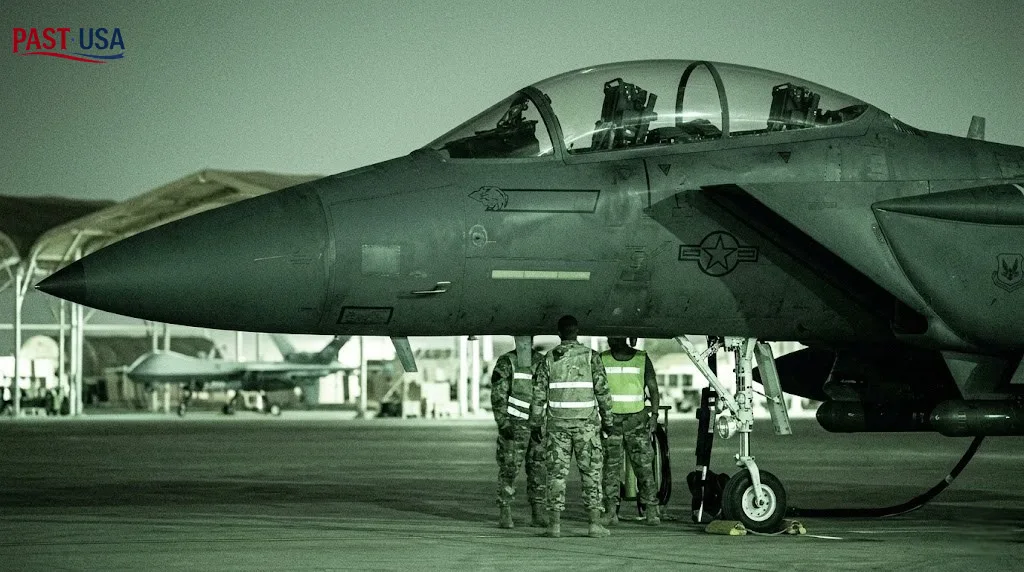
While Tehran pushes its rhetoric, the U.S. and Israel have dismissed these accusations as propaganda. The Biden Administration’s response has consistently emphasized that U.S. military operations, specifically in Syria and Iraq, are strictly defensive. Washington asserts that these airstrikes are responses to persistent attacks on U.S. bases and personnel by Iranian-aligned militias, designed purely to degrade the militias’ ability to conduct future strikes. U.S. officials maintain that their unilateral strikes are driven solely by U.S. national interests and the security of its troops deployed abroad.
The U.S. perspective is that this is an attempt by a state sponsor of terrorism to redefine defensive actions as acts of aggression. Washington views Tehran’s narrative of “Iran” as a deliberate attempt to deflect attention from its own continuous role in destabilizing multiple Middle Eastern countries via proxy warfare.
Israel, meanwhile, faces what it considers an existential threat from Iran, which repeatedly calls for its destruction. Jerusalem views intelligence sharing and operational synchronization with Washington as essential defensive measures. Israeli officials argue that neutralising Iranian precision-guided missiles (PGMs) in Syria is essential for national survival. Jerusalem dismisses Tehran’s accusations as standard propaganda, insisting that Iran is trying to weaken the alliance that prevents them from achieving total regional dominance and advancing their nuclear program. The current high kinetic volatility of this shadow war in early 2026 is precisely what is fueling the spike in ”Iran America War” searches, as the public struggles to navigate these sharply conflicting narratives.
Regional Ripple Effects: Shadow Wars and Strategic Pressures
Tehran’s rhetoric is having dangerous dynamic consequences across the Middle East. Geopolitical forecasters project continued high volatility through 2026, driven directly by this volatile friction. Several key areas are already feeling the direct impact:
The Syrian Theater of Conflict
Syria has been the site of hundreds of Israeli airstrikes against Iranian-linked targets over several years. What is different in early 2026 is the frequency and intensity of these operations, occurring alongside occasional U.S. defensive strikes against militias that attack American bases. The perceived synchronization of these military actions allows Tehran to consolidate its message effectively. As a result, “Iran America War” is trending because the physical intersection of U.S., Israeli, and Iranian military objectives is producing daily, tangible kinetic friction on Syrian soil, making it a persistent topic in the news cycle.
Rising Tensions in the Maritime Domain
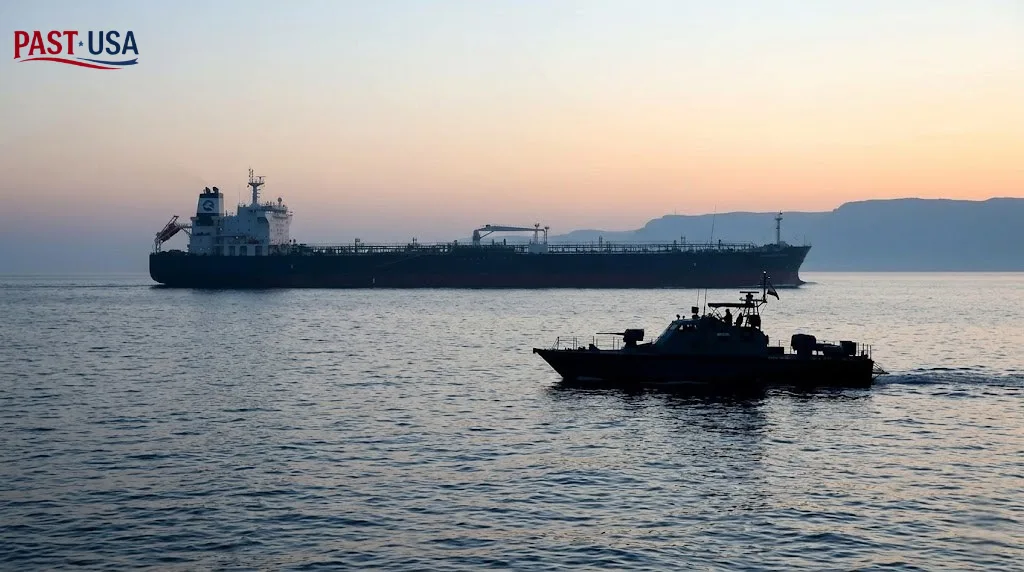
The maritime domain in 2026 is characterized by high operational volatility, marked by tit-for-tat incidents in the gray zone. Following the massive cyberattack on its ports, mysterious maritime events involving commercial vessels owned by Israeli-linked entities have been reported in the Gulf of Oman. Tehran frequently uses these incidents which it rarely confirms conducting to assert its ability to project power and retaliate for perceived U.S.-Israeli sabotage. The diplomatic rhetoric of “Iran’s Accusations is essential for Tehran’s domestic and regional justification of these maritime gray-zone operations, framing them as legitimate acts of resistance.
Diplomatic Stress Tests for Arab Nations
Iran’s strategic communication strategy in 2026 is explicitly designed to test the stability of the Abraham Accords. By defining any synchronized U.S.-Israeli action as “fighting against Islamic interests” and Palestinian statehood, Tehran aggressively attempts to create localized public opposition within Arab nations that have normalized relations with Israel. Iran’s rhetorical strategy aims to isolate Washington and Jerusalem by making the accords a political liability during periods of active conflict, ensuring that the spike in traffic for “Iran America War” has real diplomatic and strategic consequences across the region.
The Informational Environment
Digital sociologists interpret this searching pattern as indicating that many users are consuming and reacting to explosive headlines on mobile devices or after viewing viral, short-form video content (on platforms like TikTok or Instagram Reels). The typo suggests users are not conducting academic research but are seeking immediate, simplified context following an impactful, emotionally-charged news event. These users want a quick, digestible breakdown of why Iran is slamming America right now and what Washington is doing that Tehran claims is collusion.
This trend spike is driven by an informational need: context for a perceived crisis. Observers in the United States and globally want a clear synthesis that explains Tehran’s specific motivations in 2026, beyond just standard ideological complaints, which is what this article provides.
Geopolitical Projections: Continued Gray-Zone Friction
Analyzing the rigid, uncompromising foreign policy data from Washington, Tehran, and Jerusalem in 2026, geopolitical forecasters project continued localized kinetic friction for the foreseeable future. Direct, conventional military engagement is considered a low-probability, high-impact scenario; instead, the conflict will be defined by continuous shadow warfare andgray-zone friction in Syria, Iraq, and the maritime domain.
Tehran will continue to utilize this narrative dynamically, as it simplifies its messaging and unify its regional proxy networks against a common U.S.-Israeli threat. Washington will maintain its posture of conducting strictly defensive kinetic operations while Jerusalem continues its parallel, intelligence-driven campaign to degrade Iranian capabilities. The News circulating about Iran’s Supreme Leader’s death is True Just moments ago Iran’s Official News Channel Confirmed Supreme Leader Ayatollah Ali Khamenei’s Death On National TV.
Consequently, dynamic volatility in energy prices and maritime insurance rates will likely continue throughout 2026. This volatile geopolitical landscape guarantees that Iran’s accusations will remain a central, defining, and dangerous geopolitical narrative, ensuring that this search query will continue to spike in the informational ecosystem with high frequency in the months ahead. The Middle East remains trapped in a high-stakes, volatile stalemate, and digital informational traffic is just another reflection of how dangerously high the temperature has truly risen.
Read Our Latest Post on Pokemon’s 30th Anniversary.
Pingback: Zendaya and Tom Holland's Wedding: Great Ultimate Secret