
The Rise and Sudden Fall of Greg Bovino: Inside the Controversy Shaking the Border Patrol
In the volatile landscape of American immigration policy, few figures have polarized the nation quite like Greg Bovino. Until this morning, Bovino stood as the unshakeable “Commander at Large” of the U.S. Border Patrol, the uniformed face of the Trump administration’s aggressive enforcement campaigns in sanctuary cities. However, news breaking today out of Minneapolis has sent shockwaves through the Department of Homeland Security (DHS), signaling a sudden shift in strategy.
Reports confirm that Greg Bovino has been removed from his command in Minnesota following a week of escalating violence, culminating in the fatal shooting of a local nurse by federal agents. While DHS officials scramble to characterize the move as a standard reassignment, sources within the administration suggest a more complicated reality. As Greg Bovino prepares to return to his former post in California, the nation is left asking: Who is the man behind the tear gas, and what does his departure mean for the future of border enforcement?
The Minneapolis Flashpoint
The immediate catalyst for Greg Bovino’s removal appears to be the tragic events of last Saturday in Minneapolis. The city, already on edge following weeks of federal “surge” operations, erupted into chaos when Alex Pretti, a 37-year-old ICU nurse, was shot and killed by a Border Patrol tactical unit.
Witnesses claim Pretti was a bystander to an immigration raid, while initial agency reports labeled him a “suspect.” The incident marked the second fatal shooting of a U.S. citizen in the city by federal agents in less than a month. The first, the January 7th killing of Renee Good, had already drawn national scrutiny, but the death of Pretti, a healthcare worker with no criminal record proved to be the breaking point.
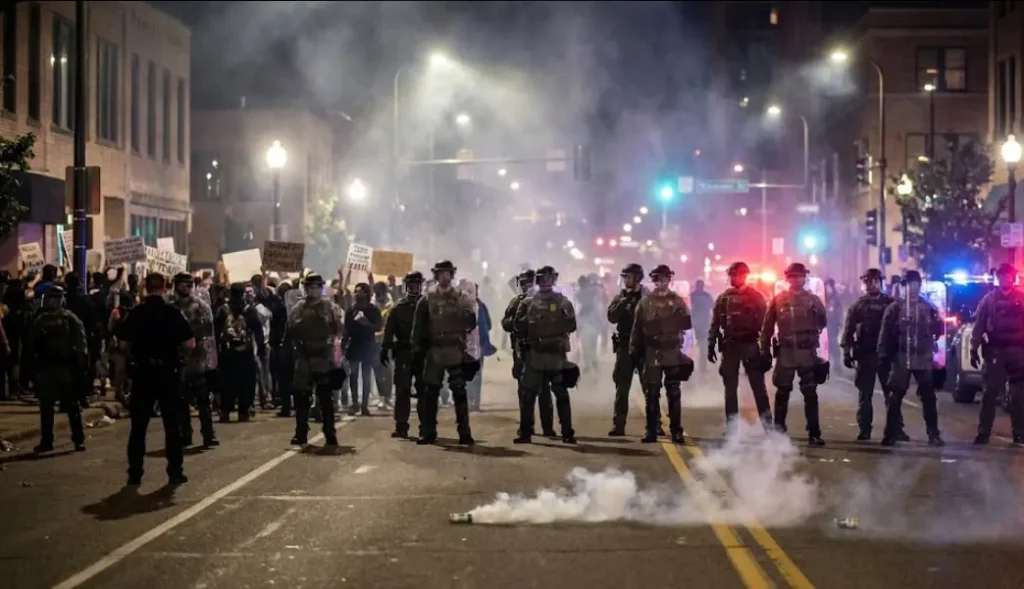
As protests intensified over the weekend, video footage surfaced showing Greg Bovino himself on the front lines.
Unlike typical high-ranking administrators who direct operations from a command center, Greg Bovino was filmed clad in full tactical gear, personally throwing a tear gas canister into a crowd of demonstrators. The image of a senior Border Patrol commander engaging in street-level crowd control went viral, drawing sharp condemnation from Minnesota Governor Tim Walz and Minneapolis Mayor Jacob Frey, who demanded federal forces withdraw.
A “Commander at Large”
To understand why Greg Bovino was in Minneapolis in the first place, one must look at the unique role he carved out within the DHS. In late 2025, amidst frustrated efforts to deport undocumented immigrants from Democratic-led cities, the administration created a new, non-statutory title for Bovino: “Commander at Large.”
This position effectively allowed Greg Bovino to operate outside the standard regional command structure. Reporting directly to DHS leadership rather than through the traditional Border Patrol hierarchy, he was tasked with leading high-visibility “surge” operations. These operations, often dubbed “Turn and Burn” by Bovino himself, relied on speed, overwhelming force, and psychological intimidation to effect arrests before local communities could mobilize.
Greg Bovino became the architect of this strategy. He argued that in sanctuary jurisdictions where local police refused to cooperate with ICE, federal agents needed to adopt a more militaristic posture. His supporters viewed him as a dedicated public servant willing to do the hard work necessary to secure the nation. His detractors, however, saw a rogue operator who viewed American cities as war zones.
The Tactics of “Turn and Burn”
The “Bovino Doctrine,” as some analysts have termed it, was characterized by its visibility. In previous administrations, immigration enforcement was often discreet. Under Greg Bovino, it was designed to be seen.
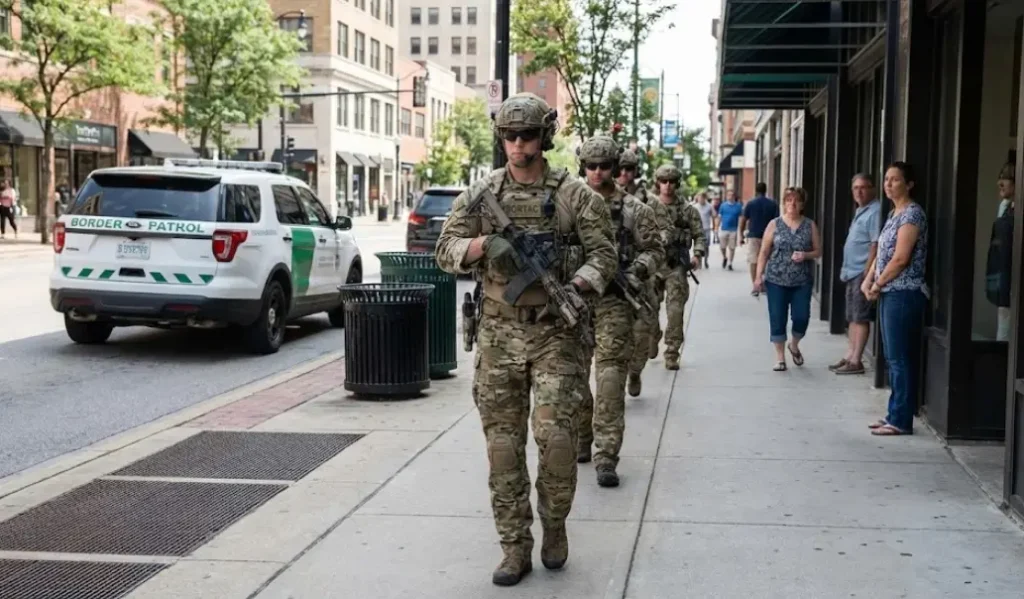
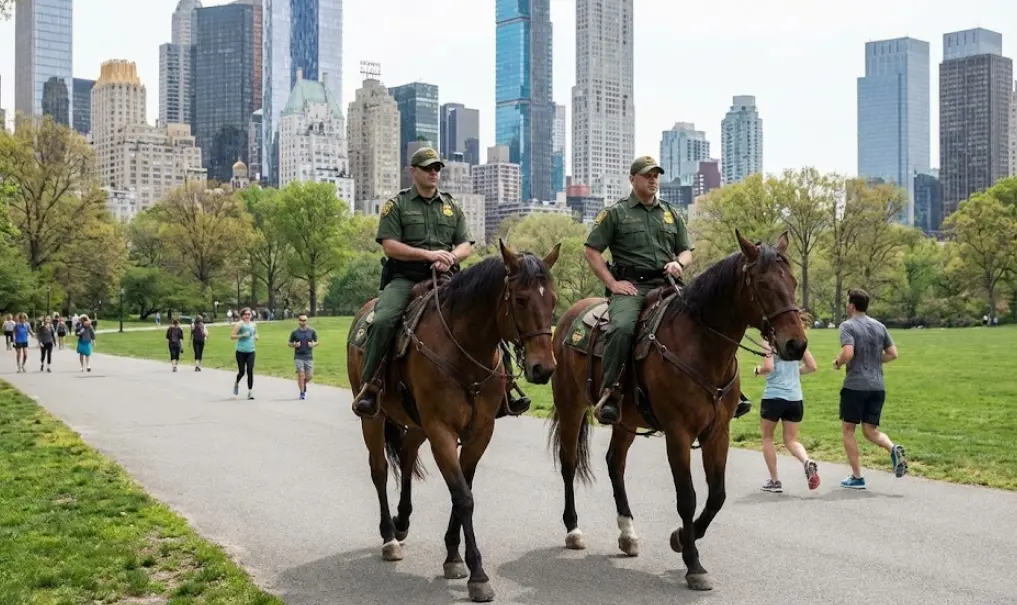
In Los Angeles and Chicago, where Greg Bovino led similar surges in late 2025, agents were seen patrolling public parks on horseback and conducting raids on high-traffic retail locations. Bovino defended these tactics in media appearances, often wearing his signature World War II-style double-breasted greatcoat–a uniform choice that became as controversial as his methods.
Critics argued that Greg Bovino prioritized optics over efficacy. They pointed to data suggesting that while the “turn and burn” raids generated headlines and fear, they often resulted in the detention of fewer high-value targets compared to traditional, intelligence-driven operations. Furthermore, the collateral damage–such as the shooting of bystanders or the disruption of community life–was becoming a political liability for the White House.
The situation in Minneapolis highlighted the risks of this approach. By deploying tactical border units (BORTAC) to a dense urban environment to perform interior immigration duties, Greg Bovino blurred the lines between border security and domestic policing. The result was a volatile mix of confused jurisdiction and aggressive rules of engagement.
Conflicting Narratives: Fired or Reassigned?
As of this morning, the official status of Greg Bovino remains mired in conflicting reports. The Department of Homeland Security has issued a statement denying that Bovino was “relieved of duties,” insisting instead that his temporary assignment in Minnesota had simply concluded.
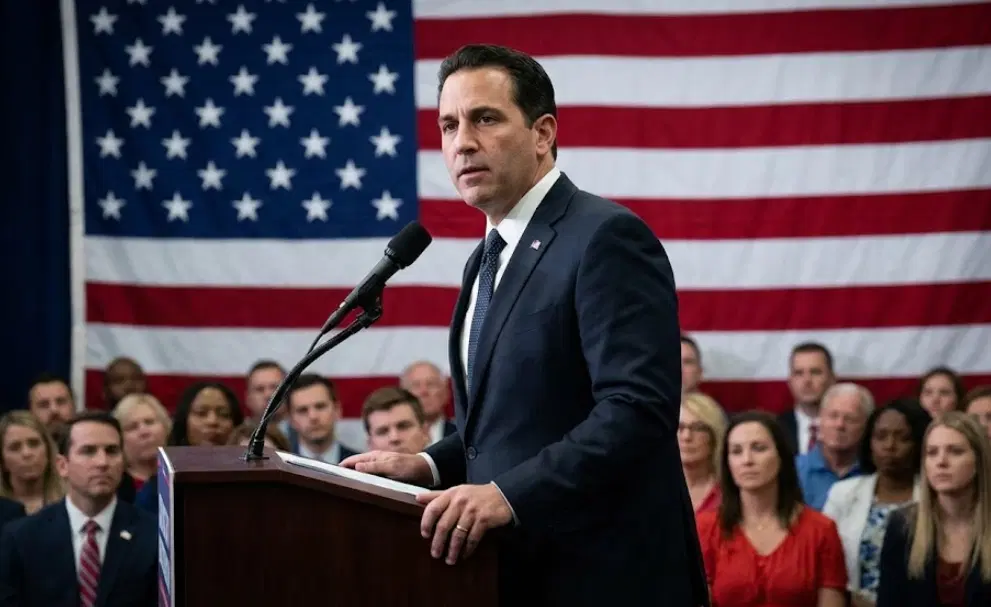
“Chief Greg Bovino is a valued leader who has completed his mission in the Great Lakes region,” a DHS spokesperson said. “He is returning to his permanent station as Chief Patrol Agent of the El Centro Sector in California to oversee critical border operations.”
However, reporting from major news outlets paints a different picture. Sources close to the administration indicate that the White House was unhappy with the negative press generated by the Minneapolis shootings. The viral video of Greg Bovino deploying tear gas was reportedly viewed as “undisciplined” by senior advisors, who feared it would energize political opposition ahead of the midterm elections.
Moreover, the arrival of Tom Homan, the administration’s “Border Czar,” in Minneapolis today suggests a change in management. Homan is expected to take over the operational command, signaling that Greg Bovino has effectively been sidelined. Whether this is a prelude to retirement or a genuine transfer remains to be seen, but the optics of his sudden departure are unmistakable.
A Career Defined by Polarization
The controversy surrounding Greg Bovino is not new; it has followed him throughout his rapid ascent in the agency. A native of North Carolina, Bovino joined the Border Patrol in 1996. He spent years working his way up through the ranks in Arizona and California, earning a reputation as a “soldier’s soldier” who was popular with rank-and-file agents.
His career hit a speed bump in 2022 while leading the New Orleans sector. Greg Bovino faced a discrimination lawsuit filed by two African American employees who alleged he passed them over for promotions in favor of a white friend. While Bovino denied the allegations, the lawsuit brought unwanted scrutiny to his management style.
Despite this, Greg Bovino found a champion in the returning Trump administration. His willingness to aggressively implement hardline policies made him a favorite of the President’s inner circle. When other career officials balked at the legal and logistical challenges of mass deportation raids in blue states, Bovino stepped forward.
His tenure in El Centro, California, was marked by a similar toughness. He frequently engaged in public spats with California state officials and used the sector’s social media accounts to post dramatic, highly produced videos warning migrants of the dangers of crossing the border. These videos were criticized by human rights groups as propaganda but were praised by supporters as necessary deterrence.
The Fallout in Minnesota
The departure of Greg Bovino leaves a vacuum in Minneapolis, but it does not solve the underlying crisis. The city remains a tinderbox. Protesters have occupied the streets surrounding the federal building, demanding justice for Alex Pretti and Renee Good.
Local leaders have seized on Greg Bovino’s exit as a victory, but they remain wary of what comes next. Governor Walz stated today, “The removal of one commander does not undo the tragedy inflicted on our community. We need a complete withdrawal of these paramilitary forces from our streets.”
Legal challenges are also mounting. The ACLU has filed an emergency injunction against the tactics used by Bovino’s agents, specifically targeting the use of chemical irritants and the detention of U.S. citizens without probable cause. Greg Bovino himself could potentially face legal exposure depending on the outcome of the investigations into the shootings and his direct involvement in crowd control measures.
What This Means for Immigration Policy
The sidelined status of Greg Bovino may signal a tactical pivot for the administration. While the goal of strict immigration enforcement remains, the strategy of high-profile, militarized raids in urban centers may be under review.
Analysts suggest that the “Bovino model”–characterized by loud, aggressive, and public confrontations–may be replaced by a quieter, more bureaucratic approach under Tom Homan. The administration likely wants to avoid further “martyrdom” moments like the death of Alex Pretti, which galvanize opposition and invite federal court intervention.
However, for the agents who served under him, Greg Bovino remains a hero. Internal message boards and union representatives have already begun to voice support for the ousted commander, viewing him as a scapegoat for a policy that came from the very top. This internal friction could complicate future operations if rank-and-file morale dips.
The Future of Greg Bovino
What lies ahead for Greg Bovino? If he returns to the El Centro sector, he will be back in familiar territory, patrolling the harsh desert border between California and Mexico. It is a role he knows well, but it is a significant step down from the national spotlight he commanded just 24 hours ago.
There is also speculation that Greg Bovino may choose to retire. With over nearly 30 years of service, he is eligible for full benefits. A quiet exit would allow the administration to turn the page while allowing Bovino to save face. However, given his combative personality and vocal defense of his actions, a quiet retirement seems uncharacteristic.
Some political pundits predict a future for Greg Bovino in media or politics. His “tough guy” persona and unwavering loyalty to the “America First” agenda have built him a dedicated following. It is not difficult to imagine him surfacing as a commentator or even a candidate for office in his home state of North Carolina.
Conclusion
The saga of Greg Bovino is more than just a personnel change; it is a microcosm of the deeper conflict over America’s identity and security. For a few turbulent months, he was the embodiment of a specific kind of power unapologetic, forceful, and controversial.
His removal today acknowledges that even in a hardline administration, there are limits. The tragic deaths in Minneapolis proved that domestic streets cannot be policed like international borders without dire consequences. As the dust settles and Greg Bovino departs the scene, the questions he leaves behind regarding the use of force, federal authority, and civil rights will continue to trend long after the headlines fade. ALso Checkout The USA Storm.
Key Takeaways on the Greg Bovino Situation
- Removal from Command: Greg Bovino has been removed from his “Commander at Large” role in Minneapolis following the fatal shooting of a U.S. citizen.
- The “Turn and Burn” Controversy: Bovino was the architect of aggressive, rapid-response immigration raids that drew criticism for their militaristic nature.
- Viral Fallout: Footage of Greg Bovino personally throwing tear gas at protesters accelerated his fall from grace.
- DHS Denial: While media reports claim he was fired, DHS maintains Greg Bovino is simply returning to his previous post in El Centro.
- A Shift in Strategy: The replacement of Bovino with Tom Homan suggests the administration is pivoting away from Bovino’s highly visible, confrontational tactics
Frequently Asked Questions (FAQs)
Who is Greg Bovino?
Greg Bovino (Gregory K. Bovino) is a senior U.S. Border Patrol official. He served as the Chief Patrol Agent of the El Centro Sector and recently as a “Commander at Large” leading immigration enforcement surges in U.S. cities.
Why is Greg Bovino trending today?
He is trending due to reports of his removal from command in Minneapolis after a controversial week involving the shooting of two civilians by federal agents and protests where Bovino was filmed using tear gas.
What is the “Commander at Large” role?
It was a temporary, non-statutory title given to Greg Bovino by the Trump administration, allowing him to lead special operations across the country outside the standard regional chain of command.
Did Greg Bovino get fired?
Official sources state he is being reassigned back to his permanent position in California. However, media reports and timing suggest he was relieved of his specific duties in Minneapolis due to the escalating controversy.
What happened in Minneapolis?
Federal agents under Greg Bovino’s command were involved in the fatal shooting of Alex Pretti, an ICU nurse, and Renee Good. This sparked mass protests and a standoff between federal and local authorities.

Pingback: Nebraska vs Michigan Highlights: Wolverines Shatter Huskers' Streak in Heartstopping 75-72 Thriller