
It is a rare feat in Hollywood for an actor to achieve iconic status in three distinct decades, appealing to entirely different generations of fans. Yet, this is precisely what Catherine O’Hara has managed to do. If you have glanced at social media trends, entertainment news feeds, or around the digital watercooler today across the USA, you have likely seen her name plastered everywhere.
Why is a Canadian character actor who began her career in 1970s, improved theater, currently dominating the American cultural conversation? The immediate answer lies in the feverish anticipation for a long-awaited sequel. But the deeper answer is that O’Hara is currently enjoying one of the most spectacular career crescendos in modern entertainment history a period affectionate fans have dubbed the “O’Haraissance.”
From her early days revolutionizing sketch comedy to her unforgettable role as the distressed mother in Home Alone, and her recent Emmy-sweeping turn as the indecipherable matriarch of Schitt’s Creek, O’Hara has proven to be a comedic chameleon of the highest order. Today, as she prepares to re-enter the chaotic world of Tim Burton, the spotlight on Catherine O’Hara has never burned brighter.
The Catalyst: The Return of Delia Deetz
The primary driver behind O’Hara’s current trending status in the USA is the imminent arrival of Beetlejuice Beetlejuice, the sequel to Tim Burton’s 1988 cult classic. The original film was a bizarre, gothic masterpiece that introduced the world to Winona Ryder as Lydia Deetz and Michael Keaton as the “ghost with the most.” But for many, the secret weapon of the original film was Catherine O’Hara as Delia Deetz.
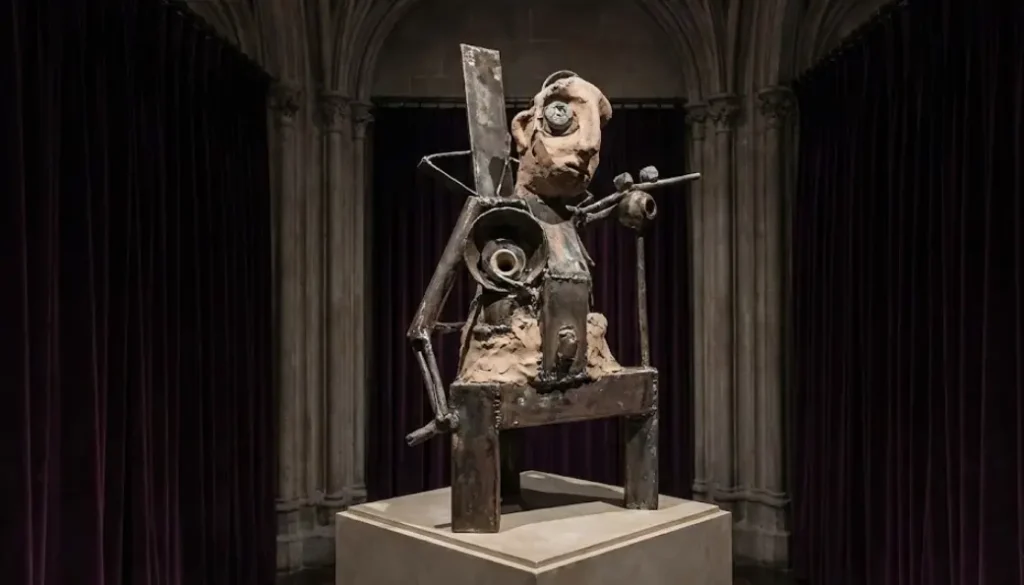
Delia was the uptight, avant-garde sculptor from New York City who moved into the haunted Maitlands’ house, terrified of rural living and desperate to remodel the home into a postmodern nightmare. O’Hara played Delia with a manic, high-strung energy that was both hilarious and strangely pitiable. Her performance during the iconic “Day-O (The Banana Boat Song)” dinner party possession scene remains one of the funniest moments in 80s cinema history.
The news that O’Hara was officially returning for the sequel, alongside Keaton and Ryder, sent waves of nostalgia through Gen X and Millennial audiences. As trailers and promotional materials have started to drop, seeing Delia Deetz back in action still sculpting bizarre art and likely still stressing over her stepdaughter has reignited appreciation for O’Hara’s specific brand of comedic genius. The anticipation isn’t just for the movie; it’s for the chance to see a master return to one of her seminal roles.
The SCTV Crucible: Where Catherine O’Hara Began
To understand the unique comedic rhythm of Catherine O’Hara, one must go back to her roots. While she is a global star today, her foundation is distinctly Canadian, forged in the fires of Toronto’s Second City improv troupe in the mid-1970s. It was here that she developed her ability to inhabit characters completely, often finding the humor in their deepest insecurities and eccentricities.
She was an original cast member of SCTV (Second City Television), the sketch comedy show that became a cult phenomenon and a launchpad for legends like John Candy, Martin Short, Rick Moranis, and her frequent future collaborator, Eugene Levy. SCTV was smarter, weirder, and more character-driven than its American counterpart, Saturday Night Live.
On SCTV, Catherine O’Hara didn’t just tell jokes; she created fully realized, often deeply flawed human beings. Whether she was playing the overly enthusiastic talk show host Lola Heatherton or doing spot-on impressions of stars like Meryl Streep or Lucille Ball, her commitment to the bit was absolute. It was during these years that she honed the skill that would define her career: playing women who are blissfully unaware of how ridiculous they appear to the outside world. This period established her not as a leading lady in the traditional sense, but as an indomitable character actor who could steal any scene she was in.
The 80s and 90s: The “Mom” Era and Improvisational Mastery
Following her success on SCTV, Hollywood naturally came calling. The 1980s and 90s saw O’Hara solidify her place in American pop culture through a series of roles that showcased her versatility, though she was often typecast in maternal roles.
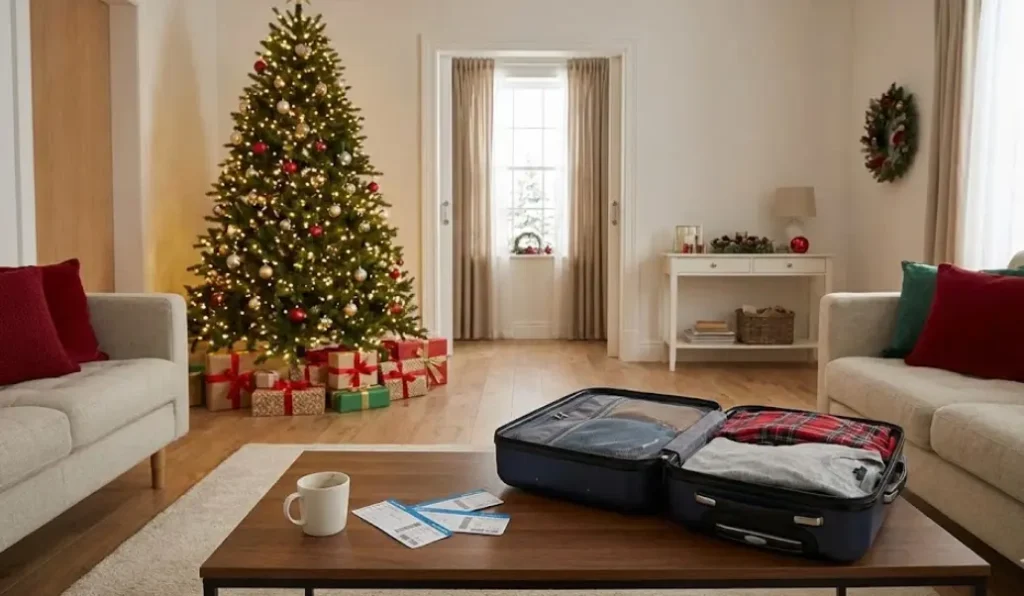
The most visible of these, of course, was Kate McCallister in 1990’s Home Alone and its 1992 sequel. As the mother who famously forgot her son Kevin (Macaulay Culkin) not once, but twice, Catherine O’Hara became the face of parental panic for an entire generation. It is a testament to her skill that she took a character who could have easily been villainized for incompetence and imbued her with genuine warmth, frantic energy, and a relatable desperation to get back to her child. Every Christmas, millions of families re-watch Catherine O’Hara scream “Kevin!” at an airport agent, ensuring her relevance never truly fades.
However, her most artistically significant work during this period came through her collaborations with Christopher Guest. Guest’s mockumentary-style films–Waiting for Guffman (1996), Best in Show (2000), and A Mighty Wind (2003)mrequired actors with supreme improvisational skills. Catherine O’Hara flourished in this environment.
In Waiting for Guffman, she played Sheila Albertson, a small-town travel agent with big theatrical dreams and a penchant for matching tracksuits with her husband, played by Eugene Levy. In Best in Show, she was Cookie Fleck, a woman with a suspiciously colorful past and a terrier in a dog show. These roles allowed her to tap back into her SCTV roots, creating nuanced, hilarious portraits of eccentric Americana without a script as a safety net. These films cemented her status as a comedian’s comedian, revered by her peers for her quick wit and deep character work.

The Moira Rose Revolution
If Beetlejuice and Home Alone made her recognizable, and the Christopher Guest films made her respected, Schitt’s Creek made her a legend. The Canadian sitcom, co-created by Daniel and Eugene Levy, became a slow-burn global phenomenon after it hit streaming services, and it introduced Catherine Catherine O’Hara to Gen Z in spectacular fashion.
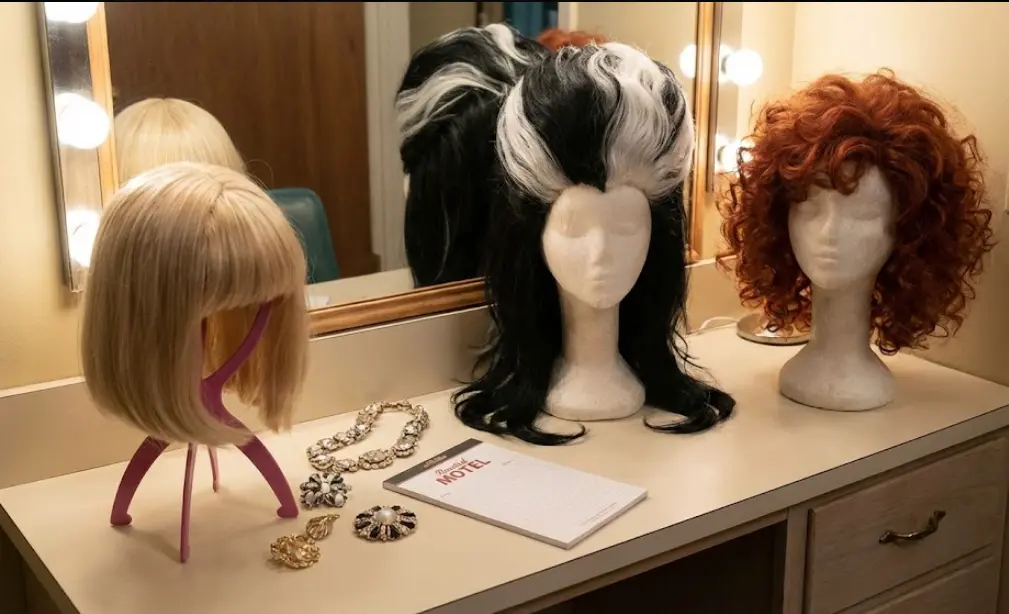
O’Hara starred as Moira Rose, the matriarch of a wealthy family that loses everything and is forced to relocate to a small town they once bought as a joke. Moira Rose is, arguably, one of the greatest comedic creations of the 21st century. A former soap opera actress with delusions of grandeur, an inscrutable accent that seemed to wander through several European countries mid-sentence, and a collection of wigs that deserved their own billing, Moira was a tour de force performance.
What made Moira so compelling, and why she resonated so deeply with audiences, was the humanity O’Hara found beneath the affectation. Moira was selfish, dramatic, and aloof, but she also fiercely loved her children in her own bizarre way. Catherine O’Hara famously contributed heavily to the character’s creation, developing Moira’s unique vocabulary (peppered with archaic words like “bebe” and “pettifogging”) and insisting on the wig collection as a form of armor for the character.
The role earned Catherine O’Hara a clean sweep of the major television awards for the show’s final season, including an Emmy, a Golden Globe, a SAG Award, and a Critics’ Choice Award. More importantly, it turned her into a meme queen. GIFs of Moira Rose dramatically weeping in a closet or offering bizarre advice flooded the internet. Suddenly, the actress known to older generations as the mom from Home Alone was the coolest, weirdest icon on television for twenty-somethings.
The Art of Being Catherine O’Hara
Why is she trending now, decades into her career? It’s because there is nobody quite like her. In an industry that often values uniformity, Catherine O’Hara has made a career out of the strange and the specific.
Her genius lies in her refusal to wink at the audience. When she plays a character like Delia Deetz or Moira Rose, she commits fully to their reality. She doesn’t play them for laughs; she plays them with deadly seriousness, and the laughter comes from the absurdity of their behavior colliding with the real world. She understands that comedy is often rooted in tragedy or anxiety. Delia is terrified of being ordinary; Kate McCallister is terrified of losing her son; Moira Rose is terrified of being irrelevant. Catherine O’Hara takes these fears and pushes them to their most manic, hilarious extremes.
She is also the ultimate collaborator. Her decades-long professional partnership with Eugene Levy is a testament to her ability to share a scene. Whether they were playing a cheesy lounge act on SCTV, a codependent suburban couple in Best in Show, or the formerly wealthy Roses in Schitt’s Creek, their chemistry provides a grounding force that allows their individual eccentricities to shine. She makes everyone around her funnier.
Looking Ahead: The Legacy Continues
As the USA gears up for the premiere of Beetlejuice Beetlejuice, the excitement surrounding Catherine O’Hara is palpable. It is a victory lap for a performer who has paid her dues in improv clubs, soundstages, and Canadian sitcoms.
Early buzz suggests that her return as Delia Deetz will not just be a nostalgia play, but an evolution of the character. Seeing how Catherine O’Hara interprets Delia thirty years later perhaps slightly mellowed by age, but likely just as neurotic and art-obsessed is a major draw for the film.
Beyond the sequel, her post-Schitt’s Creek career offers limitless possibilities. She has reached a level of stardom where she can essentially do whatever she wants. She has recently taken on voice roles in animated films like Elemental and appeared in star-studded spy thrillers like Argylle. But audiences are hungry for another substantial, live-action character role that allows her to flex her unique comedic muscles.
The fact that Catherine O’Hara is trending today is a comforting sign that true talent eventually gets its due on a massive scale. She has bridged the gap between the analog comedy of the 80s and the digital meme culture of the 2020s without ever compromising her unique artistic voice. Whether you know her as a second-city improviser, a fretful mother losing her son at Christmas, an eccentric artist trapped in a haunted house, or a wig-wearing vocabulary enthusiast, one thing is certain: the world is finally recognizing that Catherine O’Hara is an international treasure. Checkout Ajit Pawar’s Plane Crash.


Pingback: Elche C.F. vs FC Barcelona 1:3 : Highlights, | La Liga 2026, Free Watch